This post was originally published on April 20, 2026
The latest update to this post was made 5 months ago ago.
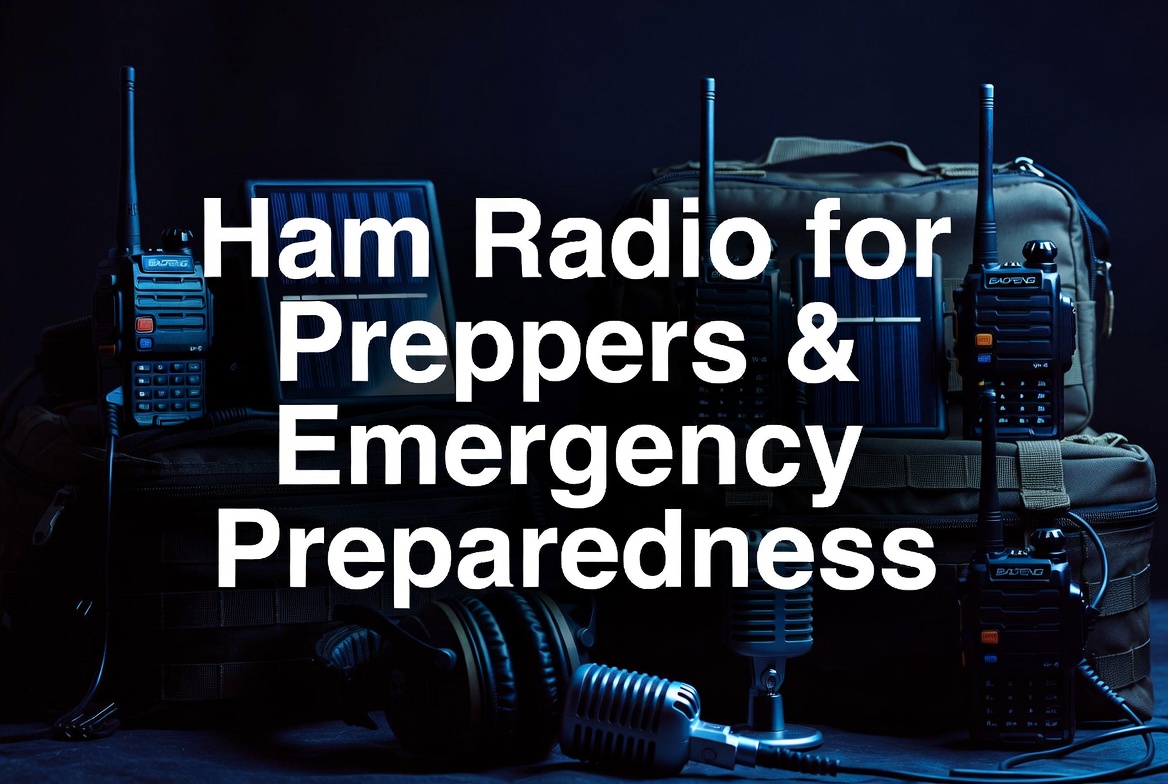 Ham Radio For Preppers & Emergency Preparedness
Is It Worth It?
When the power goes out, cell towers go down, and the internet disappears, most people are left completely cut off. Preppers know this scenario all too well — and that’s exactly why more and more of them are turning to ham radio as a reliable backup communication tool. But is ham radio actually worth the time, money, and effort for preppers? Let’s break it down.
Why Preppers Are Turning To Ham Radio
Ham radio (amateur radio) is one of the few communication methods that works completely independent of commercial infrastructure. No cell service. No internet. No satellites you have to pay for. Just you, your radio, and the airwaves.
During major disasters — hurricanes, wildfires, winter storms, or grid-down events — ham radio operators have repeatedly proven they can:
- Coordinate local search-and-rescue
- Pass critical welfare messages
- Relay information when official channels are overwhelmed
- Stay in touch with family when everything else fails
This is called EmComm (Emergency Communications), and it’s one of the core reasons ham radio exists.
Real Advantages For Preppers
✅ Completely Off-Grid Once you have a radio and a charged battery (or solar setup), you can communicate for days or weeks without any outside support.
✅ Local & Long-Range Capability
- VHF/UHF (2m & 70cm) = excellent local and regional coverage through repeaters
- HF bands (with a General or Extra license) = worldwide communication
✅ No Monthly Fees Unlike GMRS, satellite messengers, or cell phones, ham radio has zero recurring costs after your initial investment.
✅ Portable Go-Kit Friendly A small handheld radio, extra battery, and a roll-up antenna can fit in a bug-out bag and still give you serious comms capability.
✅ Strong Community Preppers who get into ham radio often join ARES (Amateur Radio Emergency Service) or local clubs — instant access to a network of like-minded, prepared people.
Is It Worth It?
| Aspect | Pros | Cons |
|---|---|---|
| Cost | Entry-level handheld ~$30–$100 | Good go-kit setup can run $300–$800+ |
| Learning Curve | Technician license is very achievable | Takes time to learn proper procedures |
| Reliability | Works when everything else fails | Requires practice to be effective |
| Range | Local (repeaters) to global (HF) | VHF/UHF limited by terrain without repeaters |
| Legal | Fully legal once licensed | Must follow FCC rules |
Bottom line: If you’re already prepping for emergencies, ham radio is one of the highest-return investments you can make in your communication plan!
Getting Started As A Prepper
- Get your Technician license — It’s the easiest and gives you full access to 2m and 70cm bands (the most useful for local emergency work).
- Start with a solid dual-band handheld (Baofeng UV-5R or similar) and a good antenna.
- Build a simple go-kit — radio, spare batteries, solar charger, earpiece, and a pre-programmed list of local repeaters.
- Join your local ARES or emergency net — This is where the real preparedness training happens.
Many preppers start small and upgrade as they go. You don’t need to spend a fortune to be useful in an emergency.
Final Thoughts
Yes — ham radio is absolutely worth it for preppers and anyone serious about emergency preparedness. It’s not just a hobby. It’s a proven, time-tested skill that has saved lives when modern systems failed. In a true grid-down or major disaster scenario, the ability to communicate can be the difference between being helpless and being in control. If you’re already prepping food, water, and shelter, adding reliable off-grid communication just makes sense.
Tags: #HamRadio #EmComm #Preppers #EmergencyPreparedness #SurvivalRadio #GridDown #ARES #OffGrid

Be the first to comment